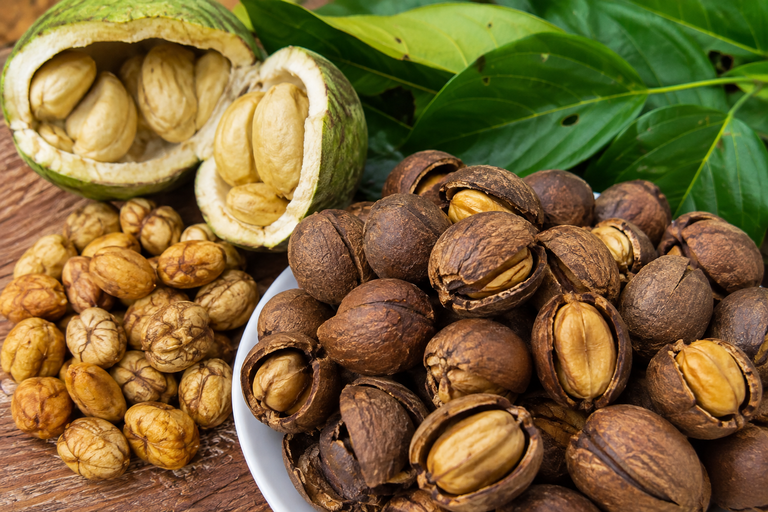
Discover the Power of African Walnut in Nigerian Agriculture
Nigeria is home to several unique agricultural products that contribute significantly to the country’s food security, nutrition, and rural economy. One remarkable example is the African Walnut (Ukpa), a highly nutritious climbing plant scientifically known as Tetracarpidium conophorum.
Widely cultivated in southern Nigeria, African walnut has earned recognition for its rich nutritional value, medicinal properties, and growing commercial potential. As consumer demand for healthy, organic, and locally produced foods continues to increase, African walnut is becoming one of Nigeria’s most valuable indigenous agricultural products.
What Is African Walnut?
African walnut is a perennial climbing vine that produces edible nuts enclosed in a hard shell. Unlike the English walnut commonly found in Europe and North America, the African walnut has a distinct flavor and is traditionally boiled before consumption.
The crop has been part of Nigerian diets for generations and is increasingly gaining attention as a functional food due to its impressive nutritional composition.
Where Is African Walnut Grown in Nigeria?
African walnut is predominantly cultivated in the rainforest and humid regions of southern Nigeria, where climatic conditions favor its growth.
Major producing states include:
- Enugu
- Anambra
- Imo
- Abia
- Ebonyi
- Cross River
- Akwa Ibom
- Rivers
- Delta
- Edo
- Ondo
- Ogun
These regions provide the fertile soils, adequate rainfall, and moderate temperatures required for healthy plant development.
Ideal Growing Conditions for African Walnut
Successful cultivation of African walnut depends on several environmental factors.
Climate
African walnut thrives in tropical climates with annual rainfall ranging from 1,500 mm to 2,500 mm. It performs best in warm, humid environments with temperatures between 22°C and 30°C.
Soil Requirements
The crop prefers:
- Well-drained loamy soil
- Rich organic matter
- Slightly acidic to neutral soil (pH 5.5 to 7.0)
- Good moisture retention without waterlogging
Sunlight
Although young plants tolerate partial shade, mature vines require adequate sunlight to produce abundant, high-quality nuts.
Water
Consistent rainfall or supplementary irrigation during dry periods helps improve nut production and overall yield.
Nutritional Value of African Walnut
African walnut is packed with essential nutrients that support overall health and wellness.
It contains:
- Healthy Omega-3 fatty acids
- Plant-based protein
- Dietary fibre
- Vitamin E
- Vitamin B-complex
- Calcium
- Magnesium
- Potassium
- Iron
- Zinc
- Natural antioxidants
These nutrients make African walnut an excellent addition to a balanced diet.
Top Health Benefits of African Walnut
Supports Heart Health
African walnut contains heart-friendly unsaturated fats that may help maintain healthy cholesterol levels and improve cardiovascular health.
Rich Source of Antioxidants
Its antioxidant compounds help protect the body’s cells from oxidative stress caused by harmful free radicals.
Promotes Healthy Brain Function
The Omega-3 fatty acids present in African walnut support cognitive development, memory, and overall brain health.
Aids Digestion
The dietary fibre found in the nuts promotes healthy digestion, supports beneficial gut bacteria, and helps prevent constipation.
Helps Maintain Healthy Blood Sugar
When consumed as part of a balanced diet, African walnut may help slow glucose absorption due to its fibre and healthy fat content, supporting healthy blood sugar management.
Strengthens Bones
The calcium, phosphorus, and magnesium naturally present in African walnut contribute to stronger bones and healthy teeth.
Supports Healthy Weight Management
High protein and fibre content help increase feelings of fullness, making African walnut an ideal healthy snack for individuals seeking to maintain a healthy weight.
Boosts the Immune System
Its vitamins, minerals, and antioxidants work together to support the body’s natural immune defenses.
Economic Importance of African Walnut in Nigeria
Beyond its nutritional value, African walnut contributes to Nigeria’s agricultural economy by creating employment opportunities for farmers, processors, traders, and exporters.
With increasing demand for organic foods, healthy snacks, and plant-based nutrition, African walnut presents attractive opportunities for:
- Commercial farming
- Value-added processing
- Food manufacturing
- Export markets
- Agribusiness investment
Improved farming practices and better market access could significantly increase production and profitability for Nigerian farmers.
Why African Walnut Matters for Sustainable Agriculture
African walnut supports sustainable agriculture by encouraging crop diversification and providing an additional source of income for rural farming communities. It can be integrated into agroforestry systems, helping improve biodiversity while reducing pressure on monoculture farming.
As Nigeria continues to invest in agricultural innovation, indigenous crops such as African walnut offer enormous potential for improving food security, nutrition, and economic development.
Conclusion
African walnut is more than just a traditional snack. It is one of Nigeria’s valuable indigenous agricultural crops with exceptional nutritional benefits and strong commercial potential. As awareness of healthy eating continues to grow, this nutrient-rich crop is positioned to become an important contributor to Nigeria’s modern agricultural value chain.
At Tuntush Agro Limited, we remain committed to promoting sustainable agriculture, supporting Nigerian farmers, and showcasing agricultural products that contribute to healthier communities and a stronger agricultural economy.